

The Shift We Didn’t See Coming
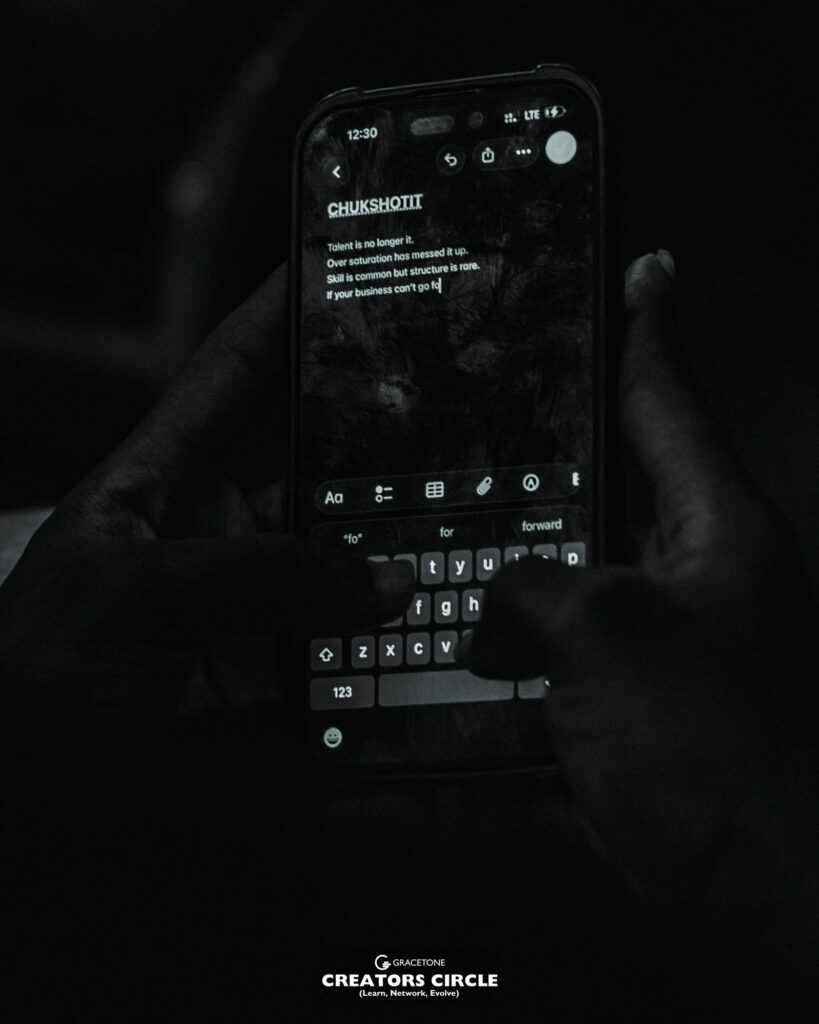
At a recent masterclass by the Creator’s Circle community, we planned for 100 creators but 180 showed up.
That moment wasn’t just surprising; it was revealing.
It confirmed a growing reality: the number of creators is rising faster than the number of opportunities available to them.
What used to be a niche career path has now become a global movement. Today, the creator economy is projected to approach half a trillion dollars in value, with millions of individuals building businesses around content, audience, and influence.
But beneath that growth lies a structural tension.
The Supply-Demand Imbalance in Creativity
The barriers to entry in the creative industry have collapsed.
With just a smartphone and internet access, anyone can create, publish, and build an audience.
This has led to:
- A surge in creators
- A saturation of content
- A bottleneck in monetizable opportunities
In simple terms:
More creators are entering the system than the system was designed to absorb.
And that’s where the real conversation begins.
Creators Are No Longer Just Creators
The old model positioned creators as talent waiting for opportunities.
The new reality is different.
Creators today are:
- Media companies
- Distribution channels
- Entrepreneurs
- Product builders
They are no longer just participants in an industry; they are becoming the industry itself.
This is backed by a clear trend: creators are diversifying income streams across brand deals, products, events, and subscriptions to survive and grow.
In essence, creators are evolving from gig workers into independent economic units.
The Real Problem: Infrastructure Lag
While the number of creators has scaled rapidly, the infrastructure supporting them has not kept pace.
We still rely on:
- Limited brand deals
- Algorithm-controlled visibility
- Centralized platforms
- Fragmented monetization systems
Meanwhile, attention — the most valuable currency — has shifted to creators themselves.
This creates a paradox:
Creators have more influence than ever,
but fewer structured pathways to fully monetize that influence.


Why This Matters for Africa’s Creative Future
In emerging markets like Nigeria, this gap is even more pronounced.
We are witnessing:
- A rise in highly skilled creatives
- Increased interest in creative careers
- Limited access to structured opportunities
This means one thing:
Africa is producing creators at scale — but not yet opportunities at scale.
And that gap is where the next wave of innovation will emerge.
The Future: Building Opportunity, Not Waiting for It
If creators are becoming more than the opportunities available, then the solution is not to reduce creators.
The solution is to expand opportunities. This requires a shift in thinking:
1. From Talent to Ecosystems
Creators shouldn’t operate in isolation.
They need platforms, communities, and networks that amplify them.
2. From Exposure to Ownership
Views are not enough.
Creators must own distribution, audience relationships, and monetization channels.
3. From Gigs to Businesses
The most successful creators will be those who think like founders, not freelancers.
Wiflow’s Thesis
At Wiflow, we believe the future of the creative industry will be defined by one thing:
How well we build systems that match creator growth with opportunity growth.
This is why we are focused on:
- Creating platforms for visibility
- Building and supporting communities like Creator’s Circle
- Developing structures that turn creativity into sustainable business
Because the next phase of the creator economy is not about more content.
It’s about better systems. One of the reason why we equip creatives through WTIP initiative
Read our CEO’s opinion on the subject matter [click here]
Our Final Thought
The rise in creators is not the problem. It is a signal.
A signal that:
- Creativity is no longer scarce
- Talent is no longer hidden
- Distribution is no longer controlled
The real question now is:
Who is building the infrastructures that matches this new reality?

